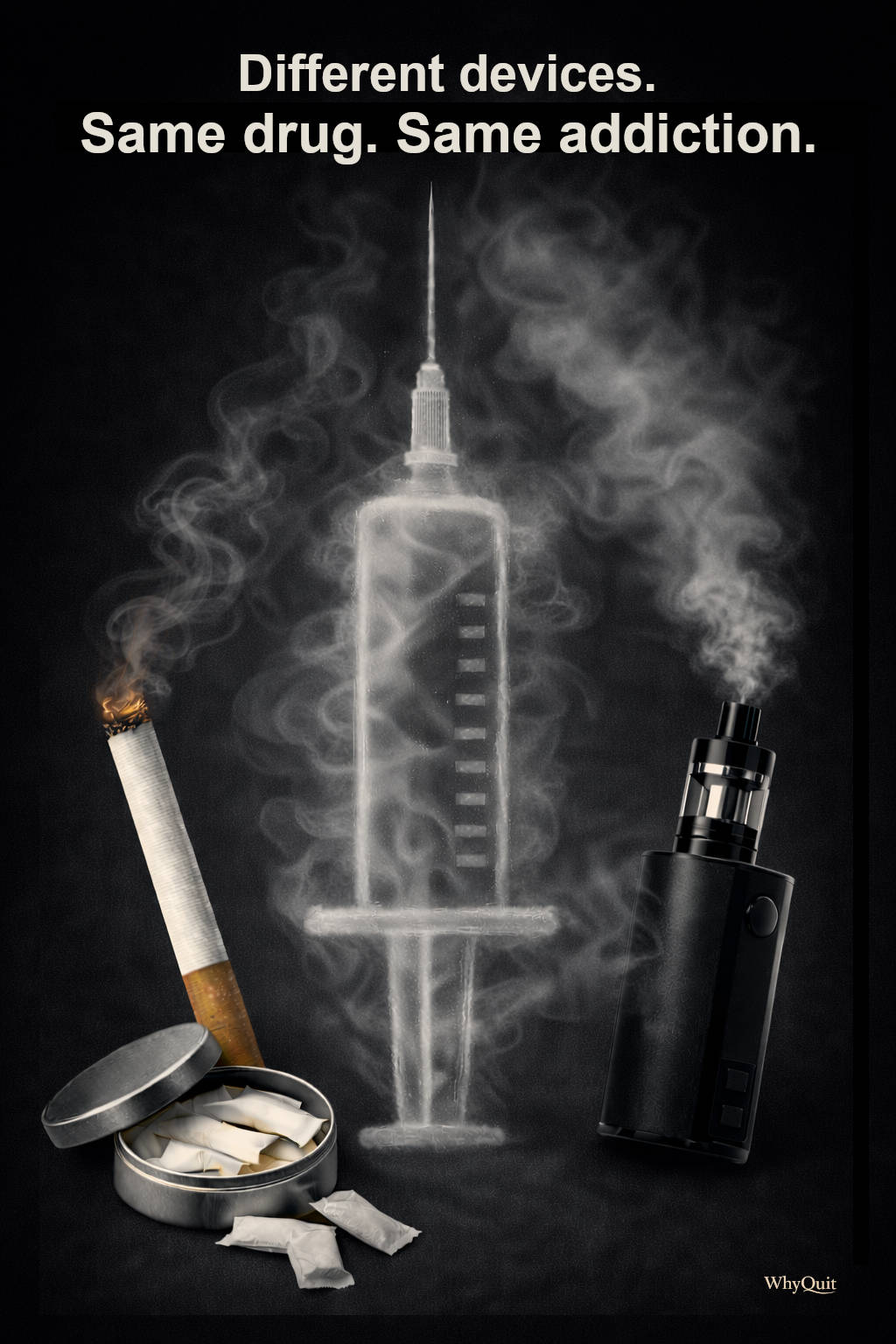
The Law Defined
"Administration of a drug to an addict will cause re-establishment of chemical dependence upon the addictive substance."
According to the World Health Organization, "In the 20th century, the tobacco epidemic killed 100 million people worldwide. During the 21st century, it could kill one billion."[1]
Year after year, at least 70% of surveyed smokers say they want to stop,[2] and each year 40% make an attempt of at least one day.[3]
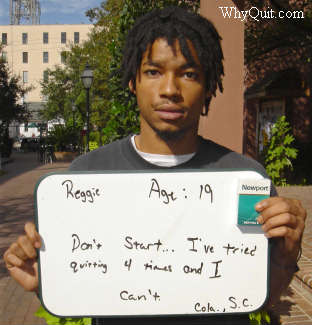
There is no shortage of desire or effort. What’s missing is a simple rule — the rule that determines whether recovery holds or collapses. That rule is known as the Law of Addiction.
This isn’t a slogan or motivational phrase. It’s a biological rule. Like gravity, it doesn’t care what we hope, intend, or promise ourselves. When ignored, it produces predictable results.
The Law is simple:
"Administration of a drug to an addict will cause re-establishment of chemical dependence upon the addictive substance."
Everything in successful recovery flows from accepting three realities:
1. Nicotine dependence is a true chemical addiction, engaging the same dopamine-driven wanting pathways involved in alcoholism, cocaine, and heroin addiction.
2. Once established, addiction cannot be erased — only arrested. The brain remembers.
3. Once arrested, even a single exposure to nicotine creates a powerful probability of renewed dependence.
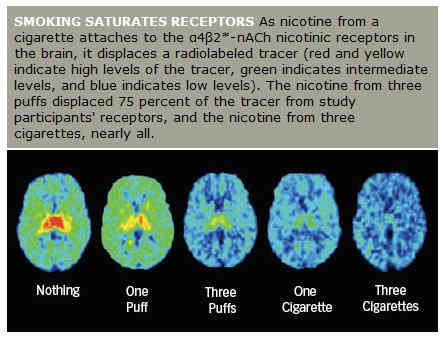
We don’t have to guess what happens in the brain during a “cheat.” PET scan research shows that a single puff can occupy up to half of the brain’s nicotinic receptors.[4]
And relapse rarely delivers what memory promises. The body may register stimulation, irritation, or nothing at all. What matters is not how the moment feels, but that nicotine has re-entered the bloodstream. Once present, the drug begins reactivating dependency automatically. The process is chemical, not emotional, and it moves forward whether the experience felt pleasant, neutral, or disappointing.
That’s why relapse often feels small, controlled, even harmless. But beneath awareness, dependence has already begun re-forming.
Recovery isn’t defeated by finishing a pack, tin, or bottle. It is defeated the moment nicotine re-enters the bloodstream.
Unfortunately, common advice often invites relapse. Statements like “Don’t let a slip put you back to smoking” ignore how addiction works. Telling a nicotine addict that a puff can be harmless is like telling an alcoholic a drink is safe or a heroin addict a single injection won’t matter.
Experts frequently note that most smokers require multiple attempts before succeeding. What they rarely explain is why. The lesson learned through repeated failure is simple:
If nicotine enters the body, dependence returns.
That is the entire lesson. And it can be understood before the first recovery attempt rather than after years of trial and relapse.
The Law of Addiction does not exist to intimidate. It exists to simplify recovery. It removes guesswork. It removes bargaining. It removes false hope that moderation might succeed.
Once the rule is clear, success stops being complicated. There is only one decision that matters:
No nicotine. Not one puff, pouch, vape, dip or chew.
Everything else becomes manageable once that rule is settled.
References
- 1. World Health Organization, WHO Report on the Global Tobacco Epidemic, 2008.
- 2. U.S. Centers for Disease Control, Cigarette Smoking Among Adults - United States, 2000.
- 3. U.S. Centers for Disease Control, Cigarette Smoking Among Adults - United States, 2007.
- 4. Brody AL et al, Cigarette smoking saturates brain receptors, Archives of General Psychiatry, 2006.
- 5. Spitzer J, Can we motivate a smoker to quit?, 2000.
- 6. Spitzer J, Is this your first time quitting?, 2001.